
The role of extracurricular activities in supporting bereaved military children and young people
When a child experiences military-connected bereavement, everyday life changes. Confidence drops, friendships feel harder, and routines disappear.
Extracurricular activities such as football, dance, swimming, music, or cadets can help children cope.
They provide a place to belong, a supportive community, a sense of routine, and an outlet for emotions. For some, they even offer a way to connect with the parent who died through shared hobbies.
But bereavement can also create barriers.
Families may face financial pressure, logistical challenges, or emotional exhaustion. Children can feel anxious in social situations, struggle with behaviour, or find activities a painful reminder of their parent’s absence.
Bereavement is when a child can benefit the most from extracurricular activities but is when participation is hardest.
Our report draws on the experiences of more than 250 bereaved military children and young people.

Bereaved military children are less likely to attend extracurricular activities.
- Just 64% of bereaved military children regularly attended activities, which is lower than national average (76%) and also lower than children in the lowest socio-economic groups (69%).
- Bereaved military children with SEND were nearly twice as likely to rarely or never attend (31% vs 17% without SEND).

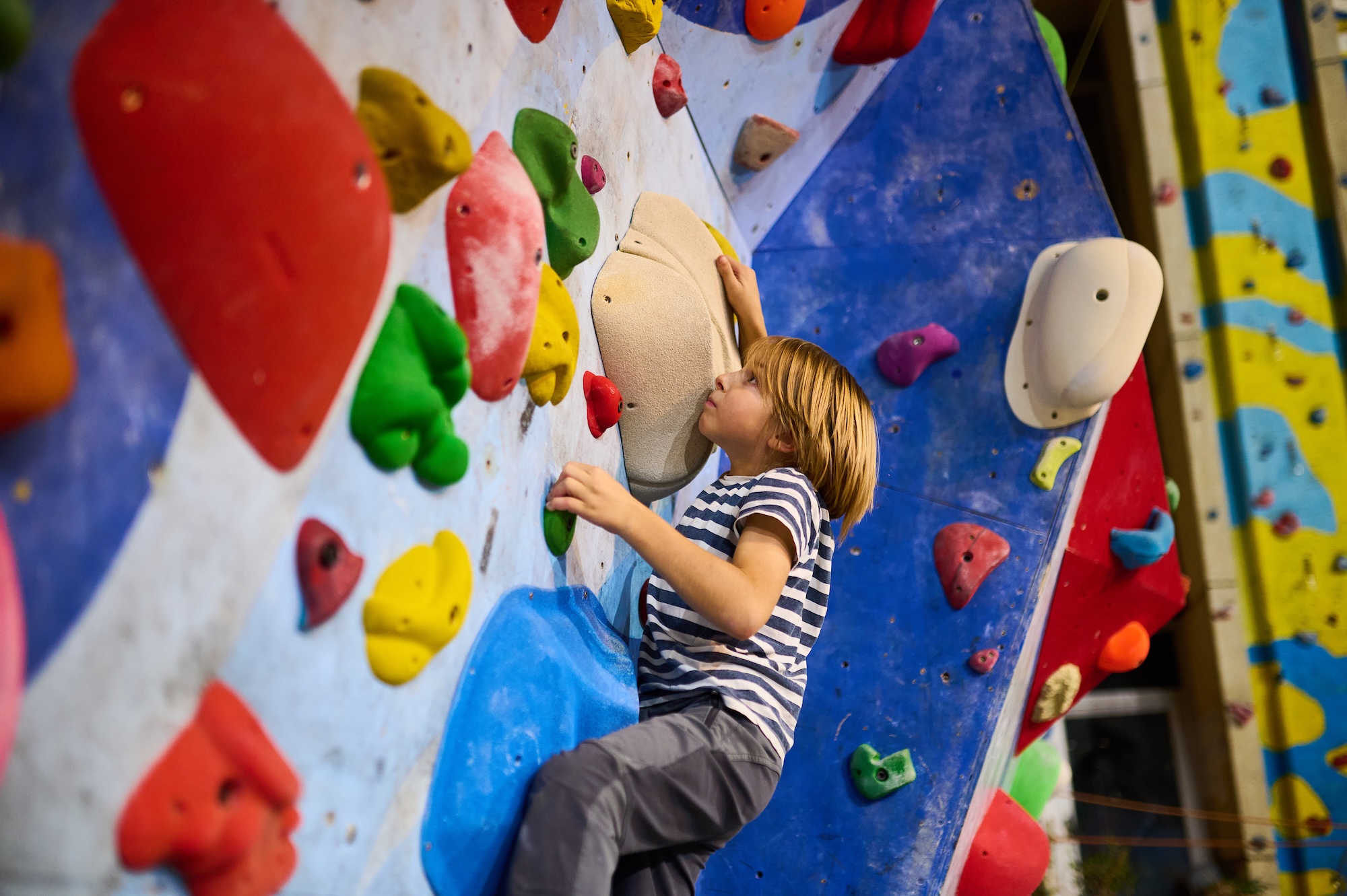
Bereavement can be a barrier to extracurricular activities.
- Cost – More than one in three (39%) bereaved military families could not afford activities after household income changed.
- Time & logistics – Nearly One in four (24%) found the pressures of sole parenting was a barrier.
- A reminder of loss – Over a third (35%) found activities could be a painful reminder their parent was not there.
- Social anxiety – Over one in five children (22%) had difficulty socialising after bereavement.
- SEND needs - Nearly one in ten (9%) of children aged 13 or under said their SEND needs were the reason they had not participated in the extracurricular activities they had wished to. Behavioural challenges sometimes escalated due to grief or trauma.
- Stopping completely – Nearly one in ten children who had participated in extracurricular activities at any point in their childhood, had stopped in the aftermath of the death.
How extracurricular activities help after bereavement
Key benefits reported:
- Over half of families (52%) said activities helped their child cope with grief.
- Belonging & friendship– Over a third of children (35%) said activities helped build friendships and created a supportive community.
- Mental health & emotional expression– Nearly a quarter (24%) said that participating in extracurricular activities had been valuable to the child or young person’s mental health.
- Connection to their parent – Nearly one in four (24%) said playing a parent’s sport or sharing a hobby was a way of connecting with the parent who died.
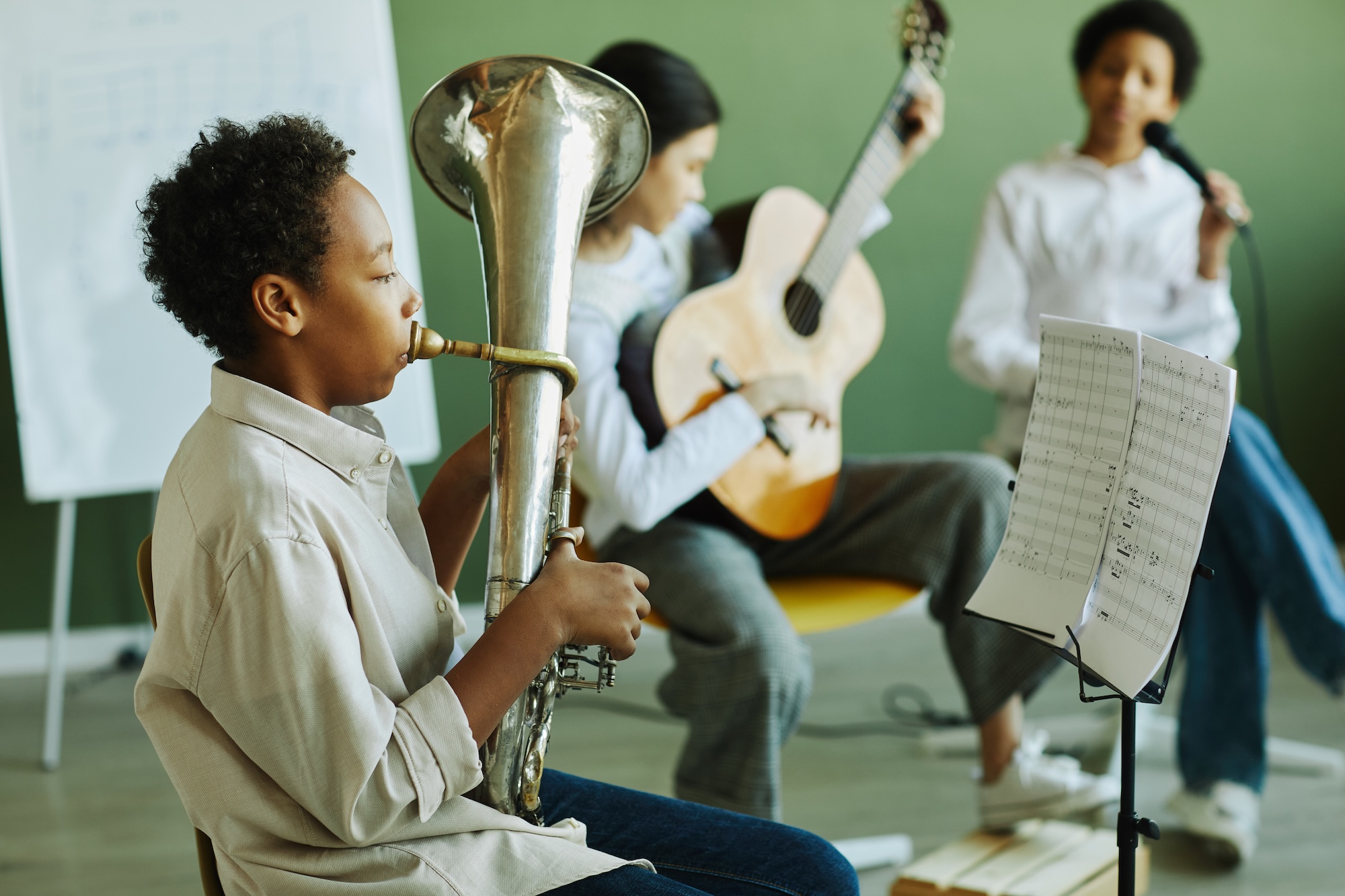
How Scotty’s helps
The Scotty Allowance, an annual allowance of up to £150 per child each year, can be used towards extracurricular activity costs, helping families access opportunities that support recovery.
“Sport literally got my kids through the worst time of their lives, it gave them a positive to focus their energy on, a reason to keep fighting and friends to help them along the way.”
In 2026, Scotty’s STRIDES Programme will be working with bereaved military families to help them understand the potential benefits of extracurricular activities in managing grief, as well as working with schools and providers to remove barriers for bereaved military families.
Why this matters
For all children, extracurricular activities are associated with improved education and employment outcomes. For bereaved military children they can also be:
- A place to belong.
- A break from grief.
- A way to help children build a community of support around them.
- An opportunity to build skills and confidence after their bereavement.
Read research on challenges faced by bereaved military children in schools - https://www.scottyslittlesoldiers.co.uk/education-research